

Are you ready to take your hiking game to the next level? Whether you’re a beginner or an experienced hiker, having the right gear is essential for a safe and enjoyable adventure. In this ultimate gear guide, we’ll cover everything you need to know before your next hike, from choosing the perfect footwear to staying hydrated on long-distance treks. Let’s get started!
The Ultimate Hiking Gear Checklist
When it comes to hiking, there are some essentials that every serious hiker should have in their pack. Here’s what you need:
1. Sturdy boots or shoes with good traction – Choose footwear that provides ample support and protection for your feet, especially if you plan on tackling rough terrain. Look for shoes with a Vibram sole for maximum grip.
2. High-quality socks – Your socks play a crucial role in keeping your feet dry and blister-free during long hikes. Opt for moisture-wicking socks made of merino wool or synthetic materials.
3. Lightweight pants or shorts – Depending on the weather, you may want to wear lightweight pants or shorts that can protect against sunburns, insect bites, and brush scratches.
4. A breathable shirt – Choose a shirt that will keep you cool and comfortable during your hike. Look for one that has a UPF rating to protect against UV rays.
5. Sunglasses – Good sunglasses not only help protect your eyes from the sun but also from debris like dust and dirt.
6. Sun hat – Wide-brimmed hats provide excellent coverage from the sun while allowing airflow to keep you cool.
7. Water bottles – Bring enough water to last throughout your entire hike plus extra just in case. Consider investing in a hydration system such as a camelback or water filter.
8. Food and snacks – Pack high-energy foods like trail mix, granola bars, and fruit to keep you fueled up during your hike.
9. Navigation tools – Don’t rely solely on your phone for navigation. Bring along a map and compass or GPS device to ensure you don’t get lost.
Choosing the Right Footwear for Your Hike
Your choice of footwear plays a critical role in determining how much fun you’ll have on your hike. You want something sturdy yet flexible, durable yet lightweight. Here are some tips for finding the best hiking shoes or boots for your needs:

1. Determine the type of terrain you’ll be hiking on – If you’re planning on tackling rocky or uneven terrain, look for shoes with a Vibram sole for better traction.
2. Think about weight – Lighter shoes tend to be more comfortable for longer hikes, but heavier ones offer more stability and protection.
3. Consider the climate – In hot climates, choose shoes that allow for good ventilation, while colder temperatures require insulated boots.
Essential Accessories for Serious Hikers
In addition to the basics, here are some accessories that can enhance your hiking experience:
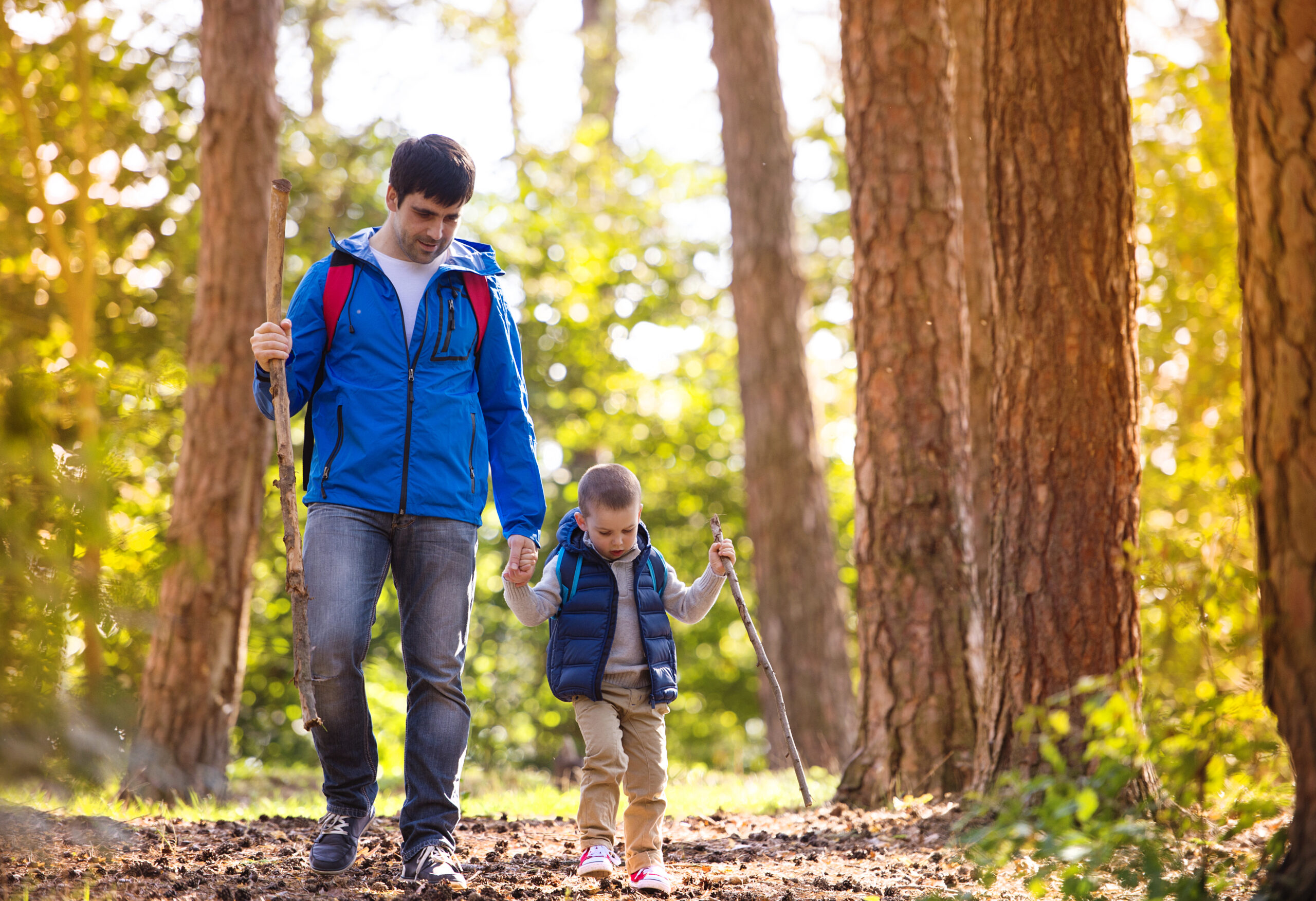
1. Trekking poles – These can help distribute weight off your legs and improve balance when navigating steep inclines or declines.
2. Headlamp or flashlight – Having a reliable source of light is crucial for nighttime hikes or emergencies.
3. First aid kit – Be prepared for minor injuries by bringing bandages, antiseptic, and pain relievers.
4. Whistle – A whistle can come in handy if you get separated from your group or need to signal for help.
Nutrition and Hydration Tips for Long-Distance Hikes
Hydrating properly and fueling your body correctly are key factors in enjoying a successful long-distance hike. Here are some tips to follow:
1. Drink plenty of fluids – Start drinking water early and often, even before you feel thirsty. A general rule of thumb is to aim for 2-3 liters per hour of activity.
2. Eat small meals frequently – Rather than relying on heavy meals at designated stops, eat smaller portions of nutritious foods like nuts, fruits, and energy bars throughout your journey.
3. Electrolytes matter – Replenish electrolytes through sports drinks, coconut water, or supplements to prevent cramps and fatigue.
4. Practice mindful eating – Pay attention to hunger cues and listen to your body’s signals to avoid overeating or undereating.
Conclusion
Whether you’re new to hiking or an avid outdoor enthusiast, having the proper gear and knowledge is essential for a safe and enjoyable adventure. By following these guidelines, you’ll be well on your way to conquering the great outdoors with confidence. Happy hiking!