Take a vacation hiking

If you’re in the mood for a hiking vacation, then you will probably want to consider the many trails in both the Great Smoky Mountains National Park in Tennessee or Rocky Mountain National Park in Colorado.

Of course there are many other parks and trails throughout the United States, but these two destinations offer some of the most scenic mountain views and majestic available.

The Smoky Mountain National Park and Rocky Mountain National park provides different levels of trails for hiking vacation.

If you take the family to casual vacation or looking for more adventure and exercise in a very strenuous hike, of places can accommodate your plans.

There are over 850 km of trails in Great Smoky Mountains Vacation, more than enough to keep you busy for its hiking.

With miles of trails available, my favorite in the Smoky Mountains is hiking the chimney Tops. Chimney Tops trail is a strenuous walk lightly with some incredible views. The last 50 meters is very steep, with a spectacular view at the top. Is of 4 miles roundtrip or is well worth the effort.

While the Smoky Mountains are exceptionally beautiful, the greatness of the Colorado Rockies is unmatched in the continental United States.

Rise of majestic snowcapped peaks out of the Plains to reach heights above 14,000 feet long peak and over 60 other peaks rise above 12,000 feet.

Inside the park there are 416 km 355 km of hiking trails. My favorite by far is the walk walk to abyss Lake a Longs Peak base.

The walk is a 9.5 mile round trip that changes of altitude of 9,000 feet to nearly 12,000 feet. This is a fun, scenic walk, but is moderately strenuous, to be well prepared with food and water.

Preparing for your holiday hiking

Walk of tens of thousands of people the trails of our national parks each year without incident and hiking holidays can be an enjoyable and stimulating.

However, it is essential prepared that you are for your hiking experience.

This is a no-brainer, but one of the biggest mistakes hikers make is not realizing the total length of the hiking are in. If the sign on the trail head says that the walk is 4 kilometers, remember that you have to walk back also, making an 8 mile round-trip.

Don’t forget food and water. While food is required in walking 3 to 4 miles and more water is an essential element in each walk. Hiking short at high altitudes can still cause you get thirsty faster than you think.

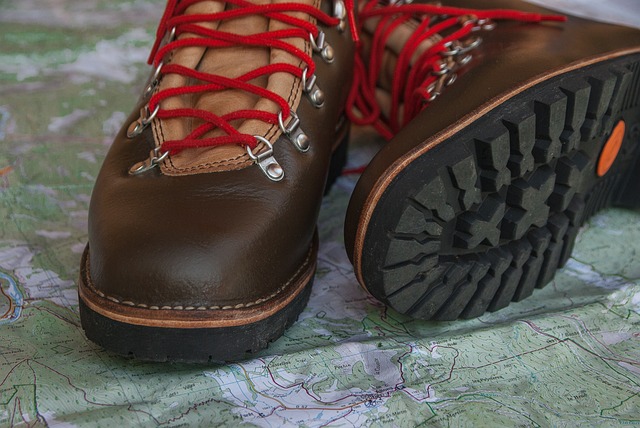
You’ll also need the proper equipment for hiking. I can’t stress this enough, hiking boots are an essential part of the equipment of hikers, just like a bottle of water and back pack.

Don’t try to walk a rocky trail in their sneakers. At least you’ll get very sore feet and you can twist his ankle, making the rest of your hiking holidays an unpleasant experience, not to mention getting back to the car an adventure. Please, get yourself some decent hiking boots. Your feet will thank you!

Walking holidays can be an exciting experience for the serious hiker or for the whole family. You’ll start seeing some beautiful landscapes that you just can’t experience, passing in your car or RV.

Plan your vacation, deciding on a destination, prepare your equipment and we have to go to the outdoors.

Alan LeStourgeon opera http://www.vacation-cabin-rental.com successful site where you can find information about how to create and decorate your own cabin, recreational information and comfortable cabin rentals.

Hiking-a superb activity, while you give it a little forethought

If you’ve never tried hiking, then you can very well the picture as being little more than walking. You expect a nice day and then slip into a pair of shorts, a t-shirt and a pair of shoes or boots, stout pop a balloon and some sandwiches in a backpack and off you go.

Certainly that is a good description of some walks that are little more than an excuse to get some fresh air and exercise a little and enjoy the scenery at the same time. But, although this is how most hikers begin, they just want to expand your horizons and thoughts turn to explore more robust field and hiking long distances, often requiring a stop during the night or two along the trail.

So how to make the transition from being a hiker late for something of a hiker more serious?

The first thing you need to do is get in shape and meaning gradually increasing the length of each walk and adding in some rural areas more demanding. But take it slowly. Probably the number one reason for people giving almost before they started is that they try to do too much too quickly and end up getting injured or just having so many aches and pains that they simply decide that enough is enough.

It’s also a good idea to add some general exercise into your daily routine. Although this is not enough to concentrate on his legs. Novice hikers, many think that since hiking is basically a form of floor, is the legs that will take the strain and, therefore, should be strengthened. You’d be surprised just how many however muscle groups in the body come into play when you’re hiking.

A general program of exercise for the whole body to strengthen the muscles and give them flexibility will do wonders for your walks.

Hiking also requires a sound cardiovascular and pulmonary system, to obtain this aerobic heart and lungs or work with a good exercise program. But, again, take it slowly and build up gradually over a period of weeks rather than days.

This is also a good time to buy some appropriate equipment and, at a minimum, you need a good pair of hiking boots, along with appropriate hiking socks. Their boots should be a comfortable and supportive and also must be waterproof. As you probably going to be hiking in a variety of different conditions is also a good idea to get some hiking pants instead of shorts and also some long-sleeved shirts. These will keep out the weather when necessary, but will also protect it from scratches, scrapes and insect bites.

At the beginning you will also need a good backpack and will want to take everything you need to walk with you. The thought of life outside of Earth may seem attractive, but, until you have a thorough knowledge of plant life, you should avoid eating anything that you’re not absolutely sure, including things like wild berries and mushrooms. You should also avoid drinking water. Natural water flow clear can seem natural and healthy, but I remember my mother and I drink crystal clear water like melted directly from a glacier and then spend the next three days in bed!

Now is also the time to pick up a good set of maps of the area will be hiking in, as well as a compass and learn the art of map reading. Although the GPS navigation systems are all the rage these days and can be a great help for hikers, the possibility of using the traditional art of map reading could very well save your bacon when you forget to pack a spare pair of batteries for your portable GPS system.

The next thing you need to do is arm yourself with some basic information about the “pros and cons” of hiking and is a good idea to read about it and join a local club of hiking where you will be able to learn from experienced walkers.

All in all the secret is to start slowly and gradually accumulate. start with some well-known trails and work your way up the three and four hiking tours through the Rocky Mountains where you experience the pure peace and the magic of sitting under the stars and looking out through wooded slopes strongly at his feet.

Unite hiking club place will put the Club’s resources at their disposal and allow you to obtain advice and information about all aspects of hiking, including things like hiking waterproof boots which to buy. It will also allow you to make new friends and roommates for the more adventurous hiking.

Hiking Sock Guide: Say Goodbye to Blisters?

Great hiking socks are critical. Do yours deliver in all these important areas? Learn how to pick the hiking sock that is smart for your trip.

Your hiking socks are probably like you at work… they do a lot more than they’re given credit for. They must be comfortable, wick moisture, protect against shear, support your natural posture, keep your feet at a good temperature, distribute pressure, promote circulation, absorb shock, and be tough. That’s no small order.

They are almost as important as your boots and shoes when it comes to your comfort. Here are some things to consider.

Blood Flow- This is the circulation of blood through the foot. A decrease or cut-off in blood flow can be caused by unyielding fabrics in hiking socks. Acrylics in combination with other fibers and a terry weave can help with this and shear.

Moisture- With exertion one foot can sweat 1-2 pints of vapor/fluid per day. That’s why wicking technology in hiking socks is so important. Without it bacteria and fungus can become a problem. Hungry yet? ;-)

Position- If your hiking socks don’t help to maintain correct anatomical alignment this can cause premature fatigue. Correct posture also helps to correctly position your foot in your boot or shoe to make it feel like it’s an extension of your body.

Pressure Areas- Pressure can cause discomfort and lead to damage if it’s not addressed. A good example of this is a bedsore. Most people hopefully won’t experience pressure to this degree, but it’s something you want to keep in mind when looking at hiking socks. Padding is especially important around bony areas like the heal and ball of the foot.

Shearing Force- This happens when your tissue is moving in opposite directions, like when jumping over a stream, or descending a steep slope. Part of your skin is moving one way and the tissue under it another, this causes a tearing action just under the surface of the skin. This is the most common way of getting blisters.

Temperature- Good hiking socks need to be appropriate for their intended use, from a warm weather day hike to a week-long mountaineering trip. Once in their appropriate environment they should maintain a consistent comfortable temperature.

Like a shoe or boot your hiking socks should be matched to the type of hiking you’ll be doing.

Liners- Thin socks called liners are made to be worn under your hiking socks next to your skin so they can wick the moisture away and keep your feet dry…

If you’d like more information on hiking socks please click here for the entire article. Also you may want to take a look at this related article on hiking boots and what’s important regarding fit and construction.

Marc Wiltse learned how important good quality hiking equipment and camping gear were after his pup tent flooded with over 3 inches of water forcing him to sleep in the front seat of his 2-seat Honda CRX (translation: research is a good thing). His hiking equipment & camping gear guides & reviews save you time & money. Subscribe to his camping & hiking newsletter & get the most usable information FREE!

© Marc Wiltse. Reprint permission if author, copyright, links & this notice are intact.

Hiking in Nepal, the best way to know the beauty and culture of Nepal

Hiking in Nepal is at the top of the world walking adventure in the Himalayas. Is the way of walking in natural environments, often in mountainous or other scenic terrain. In Nepal, there are many popular hiking trails within the city of Kathmandu and outside the city of Pokhara similar around.

Hiking term means simply walk outdoors on a trail for recreational purposes. In Nepal hiking means short walk the accommodated places and back to spend the night in a hotel or resort. Hiking can be categories as a day hike that refers to a walk that can be completed in a single day, but does not require a camp during the night and several days hiking that refers to walk for several days and spend the night in camp. Multi-day hiking is popular as a backpack or trekking in Nepal and short walking the Hill of cities for recreation is consider as hiking. Simply, can be described as physically shape easy to walk and suitable for aged people are hiking global group.

Traveler can buy a package for hiking the local holiday operator or they can go by themselves. Professional guides can explain various local information caminhados and importance and they can manage all items needed for the trip. Choose a professional hiking Agency is wise way to enjoy your holiday without worries and hassles. Nepal hiking packages are designed with combination of sightseeing within cities that has importance historically and culturally high and travel at covered area or local villages on foot. His fate is fixed before you walk. Travel routes are pre-planned or you can create your own itinerary. Before you start your walk outdoors, many things must be well prepared; Beware of hiking equipment, personal checklist, food map and commitments. Option of accommodation for overnight and route information notice is required. The necessary equipment for hiking depends on the length of the walk and according to the source. Hikers usually carry water, food and a map. Hiking boots, sunglasses, sunscreen is necessary personal checklist. To make the trip easier and fun cameras with charged batteries, binocular, compass, flashlight, first aid kit, fire starter, knife and GPS navigation device are useful.

Some popular destinations around the Kathmandu Valley for hiking in Nepal are Nagarkot, Dhulikhel, Kakani, Shivapuri, Phulchoki, Daman, Dakhinkali and Champadevi. In and around Pokhara, Poon Hill, Sarangkot, Bandipur, Panchase and are popular hiking destinations Sirubari. In addition, one can design a new route for the trip of hiking. Cultural, historical and natural scenic stations can consider as Hiking routes. Hiking in Nepal is the best way to meet local people, explore the rich cultural heritage, see the scenic mountains and studying the flora and fauna of Nepal.

This article was written by Rajan Pun a travel site experienced article writer. He has extensive knowledge in the tourism market of Nepal. He is involving the Trekking in Nepal promote, Hiking in Nepal and adventure holidays in the Himalaya. It can provide information about public holidays tour, cultural sites, historical places and tourism related topics. He is involving the promotion of tourism of Nepal since 2005.

Hiking with a large family.

You’ve never been into hiking, your spouse has never been into hiking, and you’ve never taken your children hiking. But you’re planning on visiting a national park, and you want to be able to hike the trails to be able to see the sites. Or, you want to get out with the family, and you’ve decided that a great way to do this is to hike. Both of these are excellent reasons to start hiking together as a family. Hiking together can also have other benefits, such as increased family bonding and great memories that you and your children will take home with you, not to mention that it’s a great way to get exercise.

I am part of a large family, and we’ve hiked together for years. Part of this is due to the fact that our parents love to hike, but another part of it is that we enjoy walking together and seeing new and interesting places. However, it can be daunting to try and figure out how to get all of the children to the end of the trail and back again. In this article, I will try and explain how to hike with a large family. Remember, however, that this is from my own experience, and that your experience will likely be different than mine. Mix and match my ideas and your own ideas and expectations to create something that will work for your family.

Preparation We didn’t wake up one day and say, “Hey, let’s start hiking 10-mile trails.” This has to be worked up to, especially if you are hiking with several children. When we first started, we were walking the 400 ft. to overlooks. As we grew, our abilities grew, and we began hiking longer and longer trails.

Therefore, you will need to work up to hiking long distances. This can be accomplished by walking on local trails that are somewhat similar to the longer trails you plan to do later. For example, you can begin by walking mile or for a certain amount of time (such as 1 hour) and then work up to longer trails and longer timeframes. This will also help the parents gage the abilities of their children, and help them select trails that are not above their own abilities. Great places to hike are local parks, state parks, rails-to-trails areas (these are flat and often easy to walk on but usually lack nice views), and other local wild areas that have trails. The internet is a great resource for finding trails in your area. In this article, when I talk about “hiking”, I mean walking trails that are at least a mile long. This information may also be useful for shorter distances, but in general this information applies better to longer trails.

Gaging Your Children’s Abilities When hiking with your children, assess their abilities as well as their desires. Do they simply not want to go any further when they say they’re tired after the first 10 minutes? Or are they really not up to a long hike? This takes discernment on the part of the parents, and understanding the children. A good attitude on the part of the older children and parents helps: I have found that if the older children think this is some kind of cool adventure, the younger children are often more than happy to join in on the excitement. However, remember that the point of hiking is not to have a forced march that no one enjoys. By having hiked with your children before and understanding their abilities, you can choose trails that are within your children’s ability, but that perhaps push them just slightly further…and then a little further…so that it builds their ability slowly.

You may find that the older children are far more capable than the younger children at hiking long distances. This is not surprising. After all, they have to take two or even three steps to every one of your own! However, this does not mean that you must carry the child. I feel so sorry for the parents I see who are still carrying their 5-year-old. The parent is huffing and puffing, and the child is just there for the ride. We usually carried our children until they were about three years old, and then eased them into hiking on their own, or holding the hand of an older child or adult. Even after that, though, we would occasionally carry a child if they had been hiking a very long time and were tired.

Another way to keep the younger children hiking is to tell them stories. The parents can do this, as can the older children. Some of the younger children can also tell their own, although most of ours preferred listening to the ones we came up with. Stories can be classics like “The Three Little Pigs” and “Goldilocks and the Three Bears”, or you can make up your own.

Older children can be very helpful with the younger children. I really enjoyed carrying my younger siblings, even if I was only 11 and they were 1. Later, when several of us were older (13+), we did all the carrying of the younger children, and our parents rarely carried any children, even on long hikes. Even if they can’t carry a child, older children (6+) can walk with their younger siblings, helping them along the way, holding their hands, encouraging them to keep going, and so on. Often we’d just end up helping them, but sometimes we would be assigned a child, like, “Ok, until the next rest break, you get to walk with your youngest brother” or something like that. If your family has a buddy system, this is a great place to use it. Sometimes children like to run ahead on trails. This may be fine in some situations, especially if the children are older, but you may want to restrain them by, for example, telling them not to go out of sight of you.

What to Take With You The age of your children and the length of the hike will determine exactly what you need to take with you. For example, if you have very young children, you will need to take diapers, wipes, formula (if you use it), etc. for them. You may even have to dedicate a backpack to this type of stuff. Some baby backpacks come with pockets for such things, but I have never found these to work very well. Also, if you’re taking a longer hike, you’ll need to bring more food and water than if you are taking a shorter hike.

Probably the most important thing to take on a hike is water. This is especially true if the weather is hot or you are hiking in dry areas such as the American southwest. In such weather or areas, it is very easy to dehydrate, so bring plenty of water for each person. We have a plastic refillable bottle (16-oz.) for each person. These are easy to refill and transport on the trail. On very long hikes (8+ miles) we bring extra water in a small water jug (1-gallon) which fits into a daypack.

Another very important item to bring is food. “An army marches on its stomach” and so do hikers, especially children. Small snacks can make the difference between making it back to the parking area in a reasonable time and dragging the children for hours on the last mile. The packs can be heavy in the beginning, but everyone will be thankful for the food later in the day.

Who should carry this stuff? Well, it will depend on the age of your children, in part. Older children (6+) can carry daypacks with food, water, or other items in them. This is especially helpful if the parents need to carry smaller children. Another option is for one parent to carry a child and the other to carry some of the food, etc. See what works for you. We nearly always take at least five packs to spread out the weight between as many people as possible (usually this means the five oldest children are carrying backpacks). The water bottles themselves usually get spread over two packs, or each person carries his or her own.

Hiking as a family can be a fun experience for everyone, especially when there are many of you to enjoy it together. However, each family is different and will need to figure out what works best for them. Once you have worked out what works best for you, you can enjoy many hours of walking and enjoying the outdoors together as a family.

Anne W is a travel writer who has written extensively about destinations in the continental US and traveling on a budget. She describes herself as “A passionate hiker who craves beautiful vistas.” To this end she travels around the country searching out unique destinations and hiking trails for her website, Anne’s Travels. For hiking trails and more travel information, visit http://www.annestravels.net/